
Diabetes around the world
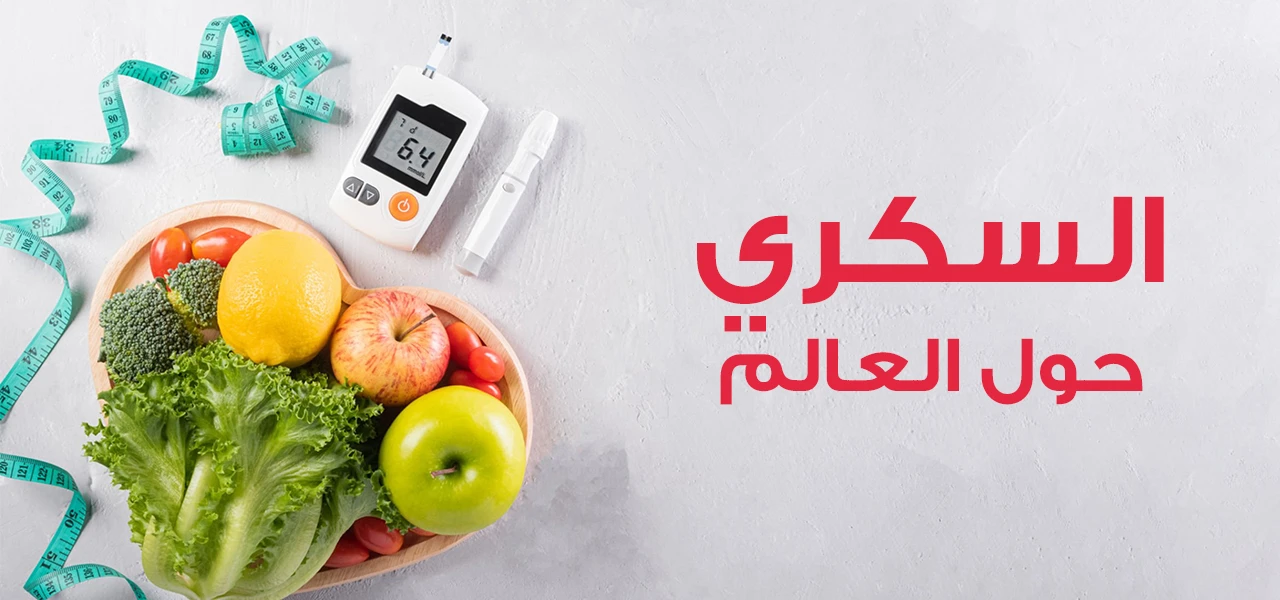
Diabetes is an elevated level of sugar in the blood. It is a chronic disease that occurs when the pancreas cannot produce enough insulin, or when the body cannot use the insulin it produces. Insulin is the hormone responsible for the level of glucose in the blood.
Types of diabetes
Type 1
In this type, the body does not produce insulin.
Treatment involves taking insulin regularly through injections or implanting devices that release insulin regularly.
Type 2
In this type, the body resists the insulin that is present. It is usually accompanied by obesity and poor nutrition.
Treatment:
- Take medicines that stimulate beta cells to secrete insulin.
- Exercise regularly.
- Follow a diet.
Gestational diabetes
This is associated with type 2 diabetes.
Because it is associated with type 2 diabetes, treatment follows the same steps: regulating food intake and exercising regularly.
Symptoms of diabetes
- Unintentional weight loss.
- Feeling thirstier than usual.
- Feeling tired and weak.
- Frequent urination.
- Blurred vision.
- Slow wound healing.
How is diabetes diagnosed?
Through blood tests:
- Glycated haemoglobin testing.
- Fasting blood sugar testing.
- An oral glucose tolerance test.
World Diabetes Day is held on 14 November. The International Diabetes Federation and the World Health Organization chose the date to mark the birthday of Frederick Banting, who contributed to the discovery of insulin. The day highlights diabetes, supports patients and explains the importance of healthy nutrition and the fact that medicines alone are not enough to balance blood sugar.
Source content from the Spirit journal for management review. It may reflect its original publication date.
Back to articles